London rewards the curious. With more than 170 museums, 3,000 parks, and 40,000 restaurants, it can feel impossible to know where to start. The good news: you don't need to do everything. You need to do the right things. This list strips away the noise and gives you the ten experiences that genuinely define the city - in the right order. Read our guide to plan your perfect London vacation.
1. Tower of London & Tower Bridge
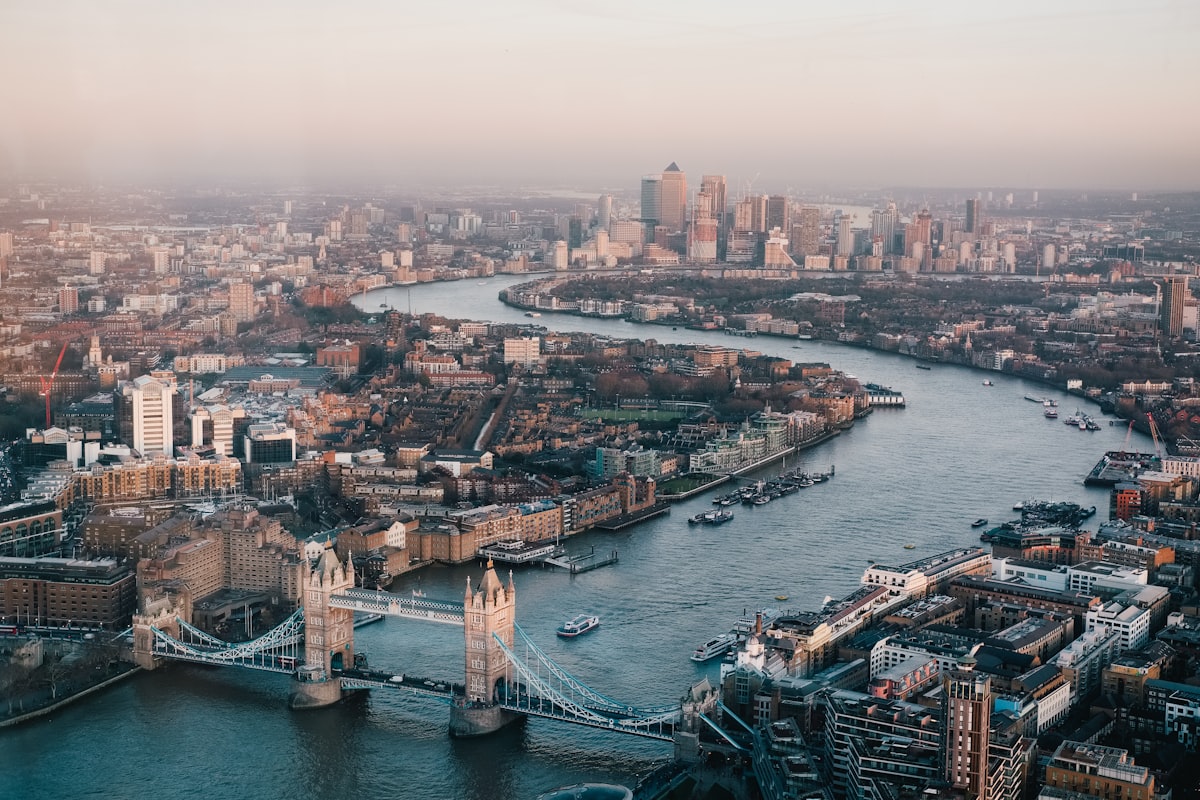
Start here. The Tower of London is where English history gets brutal and brilliant at the same time - two thousand years of conquest, imprisonment, and the Crown Jewels, which are genuinely extraordinary in person. Book tickets in advance (the queues are punishing without them). Afterwards, walk across Tower Bridge - the glass walkway 42 metres above the Thames is worth the separate ticket. Go at dusk for the best light.
Pro tip: Arrive at the Tower when it opens at 9am. By 10am the crowds are thick.
2. Borough Market
London's oldest food market, tucked under railway arches near London Bridge, is the best introduction to how the city eats. Come on a Thursday, Friday, or Saturday for the full market. Monmouth Coffee, Neal's Yard Dairy, and the legendary St. John bread-and-dripping stalls are unmissable. Budget £15-20 for a grazing breakfast that will spoil every hotel buffet you encounter afterwards. Read our guide to best Free Things to Do in London (2026 Guide).
3. A Walk Along the Thames from Westminster to Tate Modern
This is the single best introduction to London on foot. Cross Westminster Bridge for the Big Ben view, walk south along the South Bank past the London Eye, the National Theatre, and Tate Modern, then cross back over the Millennium Bridge with St Paul's Cathedral directly ahead. The walk takes 45-60 minutes at a leisurely pace and is free. Read our guide to why visit London in spring? Insider tips for US travellers.
4. The British Museum
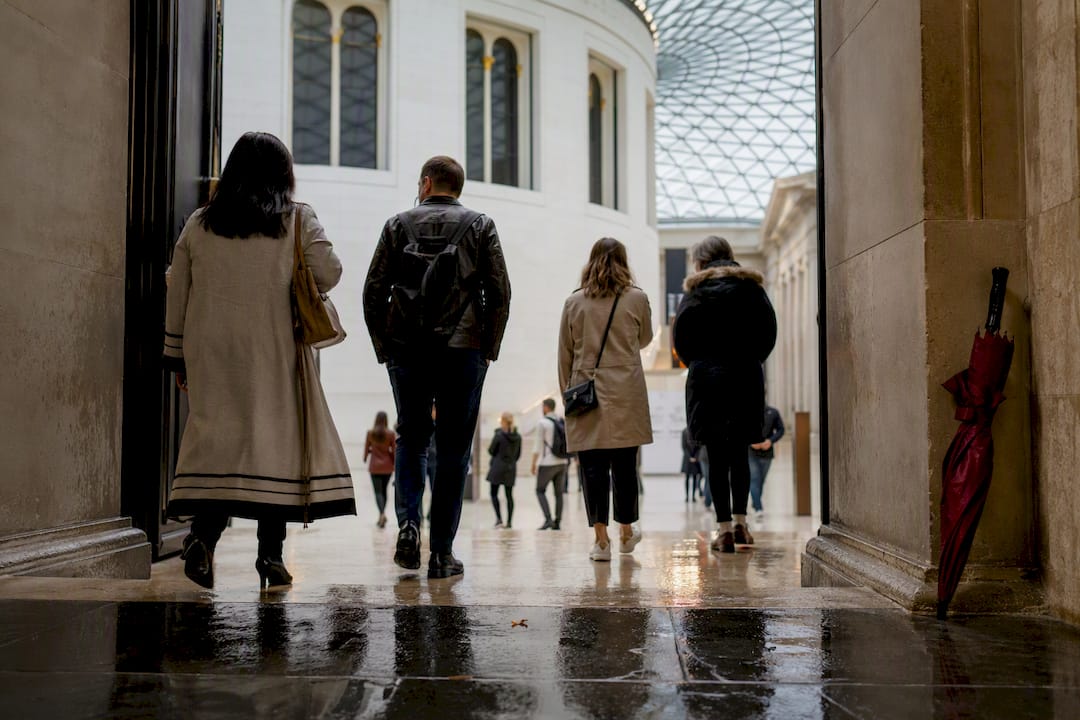
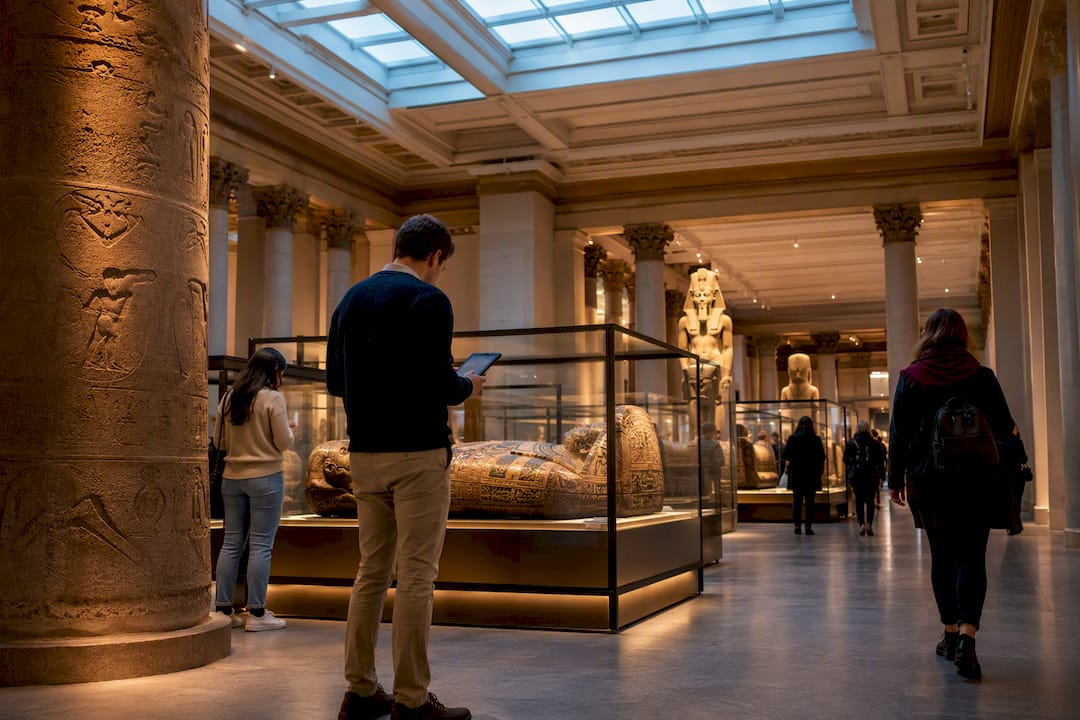
Free, vast, and overwhelming in the best possible way. The Rosetta Stone, the Elgin Marbles, Egyptian mummies - the breadth of what's here is staggering. Don't try to see everything. Pick three rooms you care about and go deep. The Great Court is one of the most beautiful public spaces in London. Read our guide to your essential London travel guide.
5. A West End Show
London's theatre scene is unmatched anywhere in the world. The West End runs everything from long-running musicals to world-class drama at the National Theatre. Book through official box offices to avoid reseller markups. Same-day TKTS booths in Leicester Square sell discounted tickets. Read our guide to london in Spring.
6. Kensington Museum Quarter
Three world-class museums within a five-minute walk of each other, all free: the Natural History Museum, the Victoria & Albert Museum, and the Science Museum. Plan a full day here.
7. Notting Hill & Portobello Road
On a Saturday morning, Portobello Road transforms into one of London's great markets - antiques, vintage clothing, street food, and local colour. Arrive by 9am before it gets crowded.
8. Greenwich
Take the Thames Clipper from central London. The Royal Naval College, National Maritime Museum, and Royal Observatory are all here. Stand on the Prime Meridian and have lunch at Greenwich Market. Budget a half-day.
9. Shoreditch Street Art Walk
East London's creative quarter is London at its most contemporary. Start at Brick Lane, walk north through Shoreditch High Street, and explore the side streets. The street art changes regularly and is world-class.
10. A Proper London Pub
No trip to London is complete without sitting in a genuinely old pub. The Prospect of Whitby in Wapping (1520) and Ye Olde Cheshire Cheese on Fleet Street (rebuilt 1667) are the best candidates.
Practical Tips
- Get an Oyster card or use a contactless bank card for the Tube and buses.
- Walk more than you think you will. Many "two Tube stops apart" attractions are a pleasant 15-minute walk.
- Book museums in advance - the Natural History Museum and British Museum fill up on weekends.
- Avoid the hop-on hop-off buses - they're expensive and slow.